Leaderboard



Popular Content
Showing content with the highest reputation on 02/26/2026 in all areas
-
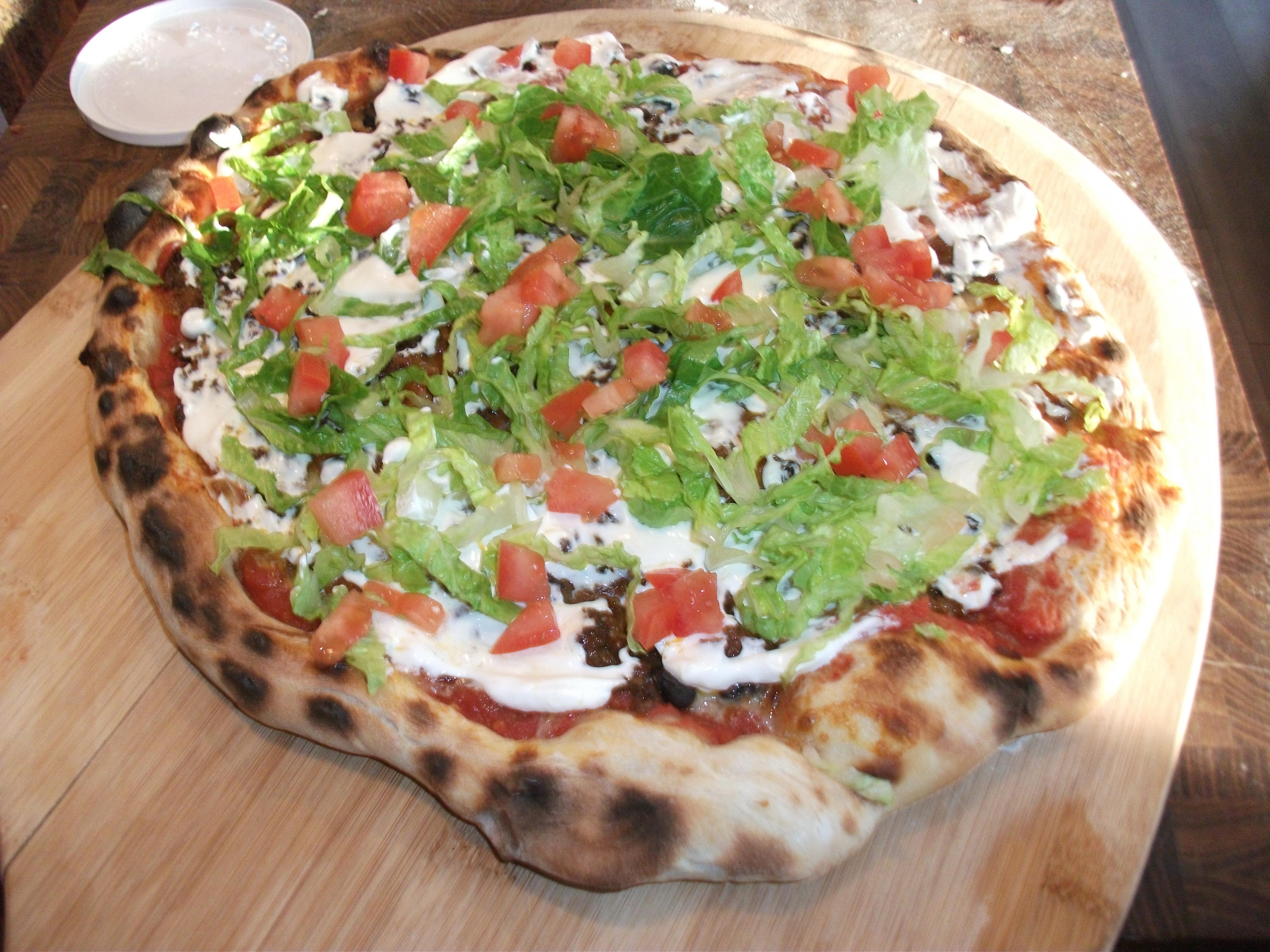
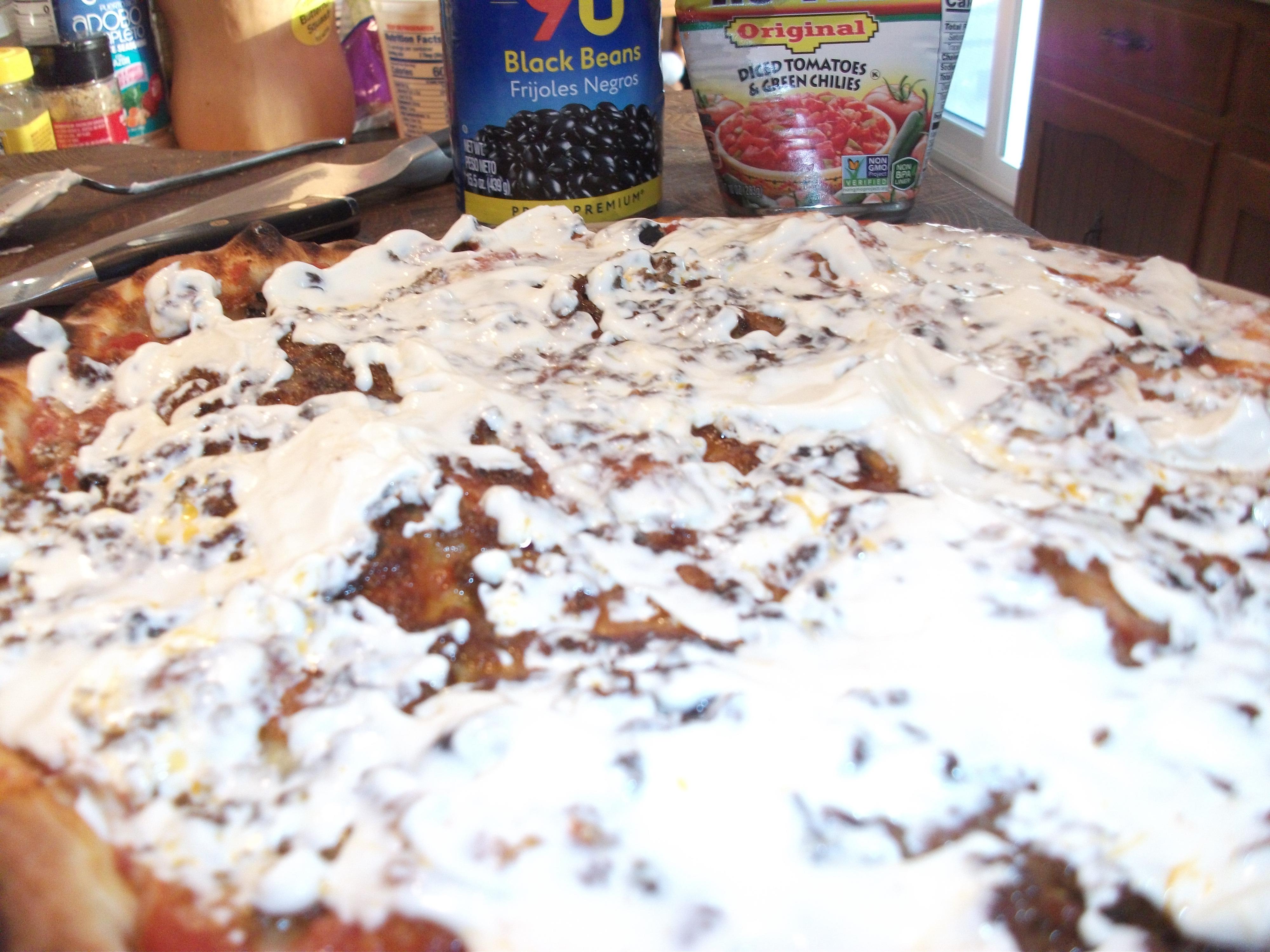
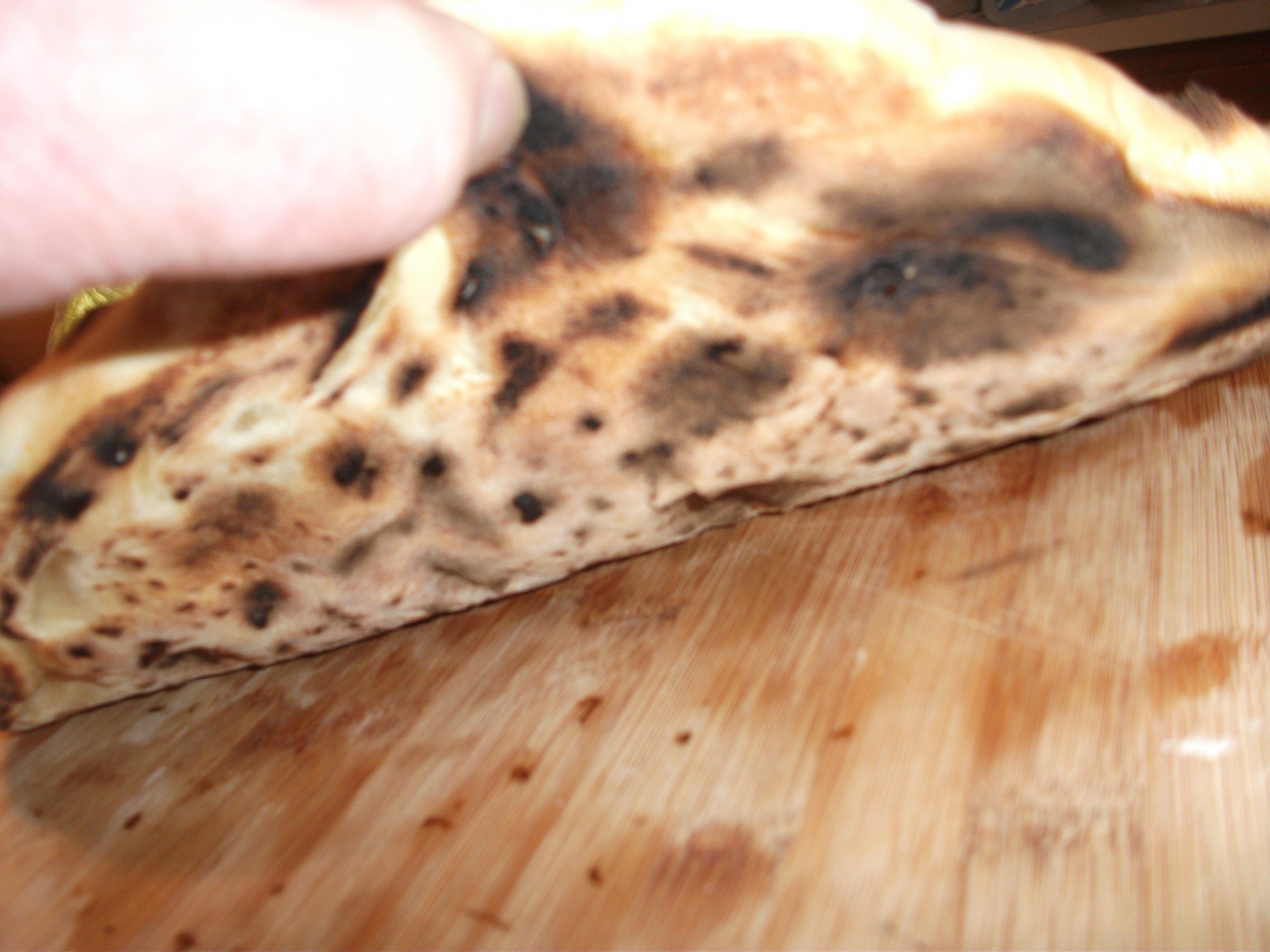
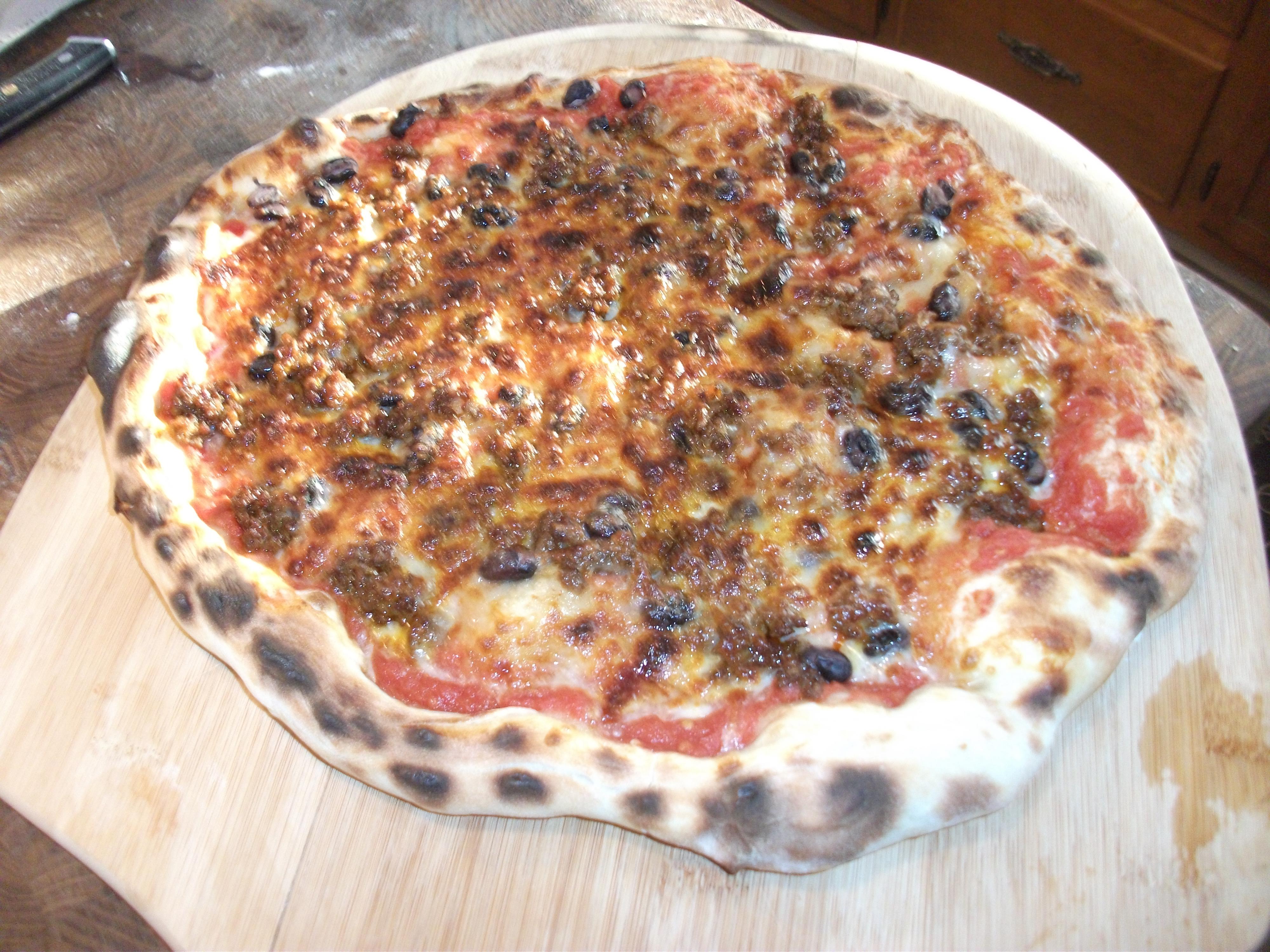
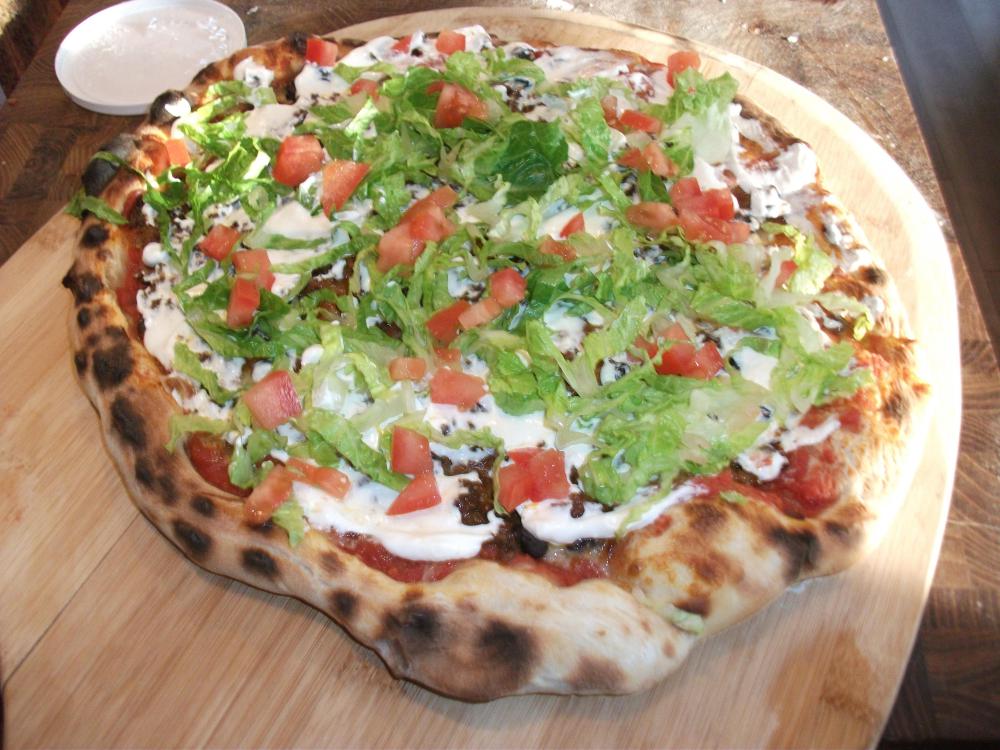
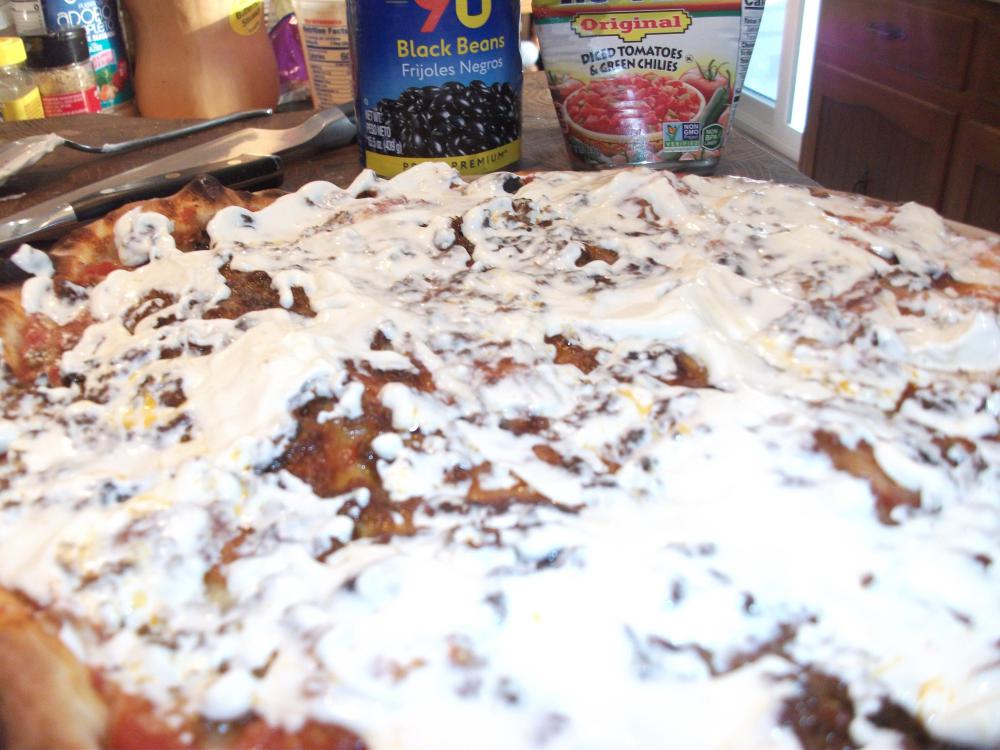
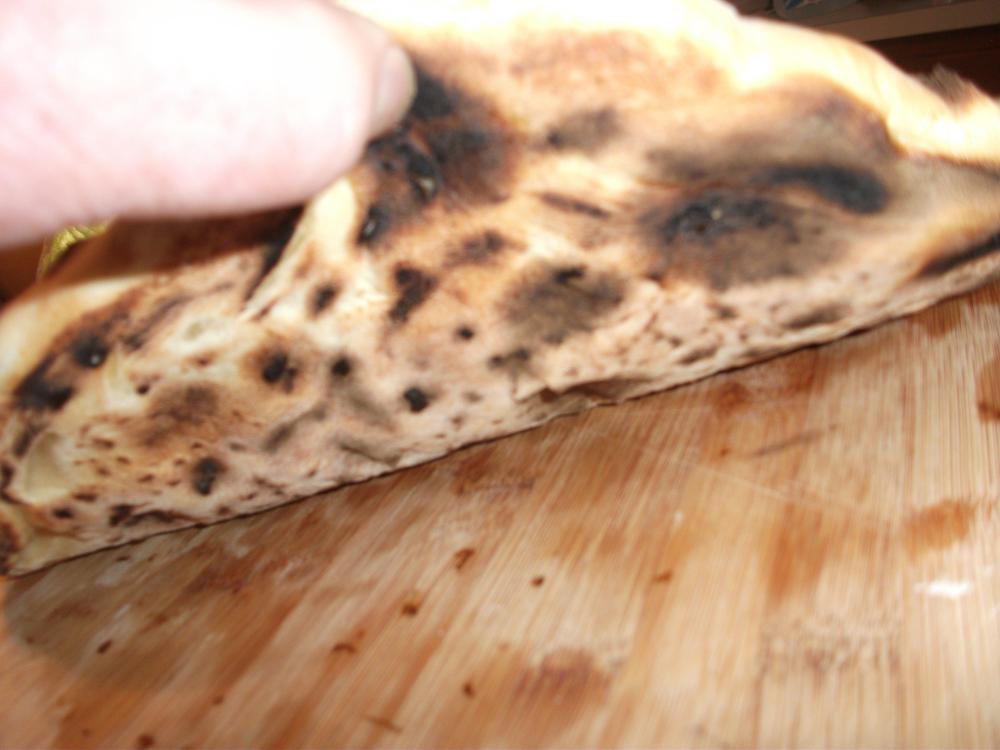
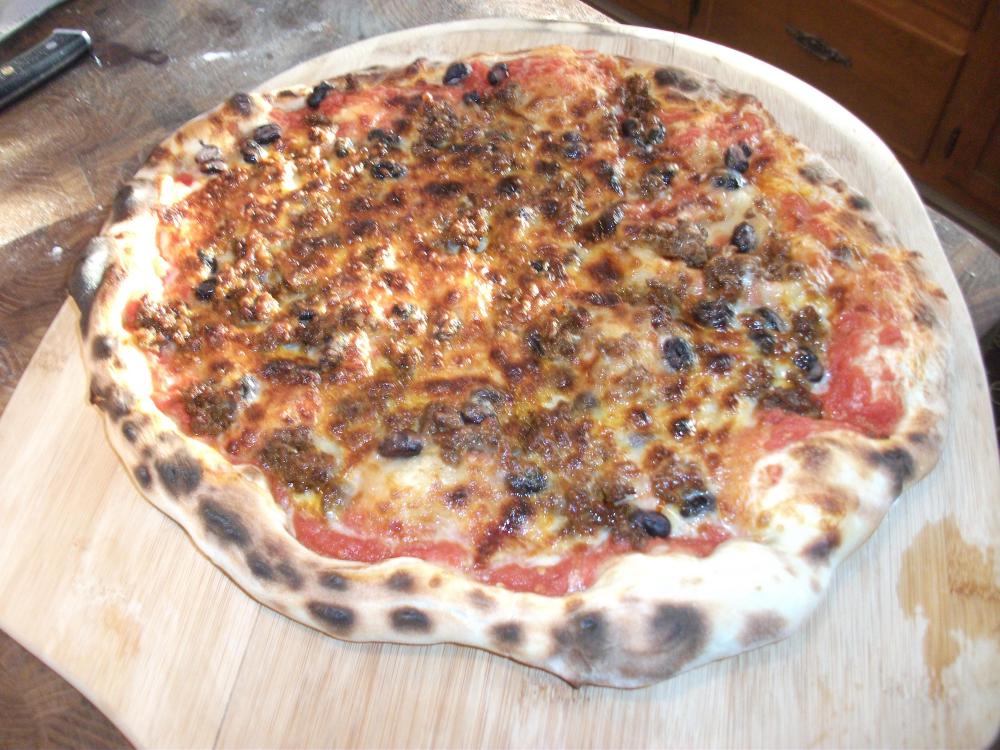
Mexican pizza, have you done this or heard of it? The idea came to me for using Rotel tomatoes and green chiles with some black negro beans. Empty the can, add a dollip of tomatoe paste ( overful table spoon ) and blend by machine. Add this to your dough, then the beans and taco hamburg that you just cooked. Cover with cheese of your liking grated and cook. Now I didn't cook this on the KK because of time constraints so I used the Ooni with the new gas attachment. Brought into the house and covered with sour cream, lettuce and tomato. The pizza was spot on, top and bottom with beautiful leoparding all around...however the middle was a bit gummy. I attribute this to shopping at another store other than my go to for dough and I noticed the dough also didn't have a good rise. Although the pizza was very good besides this gummy it could of used a twist of Taco Sauce as olive oil is applied to a Margarita pizza, preferably after the cook. First time for this, has potential. I will go to confession for not cooking on the KK
 2 points
 -
Looking at your machine on line and mine I truly can't find a difference. I believe at one point Craftsman had MTD make the blowers for them. The same electric start, gas tank positioning, plate covers, spark plug etc all match up. I have chains on my tires, brutal grab and it has a 26 width bite 8HP. So if your akin to mine I can understand your devotion.1 point
-
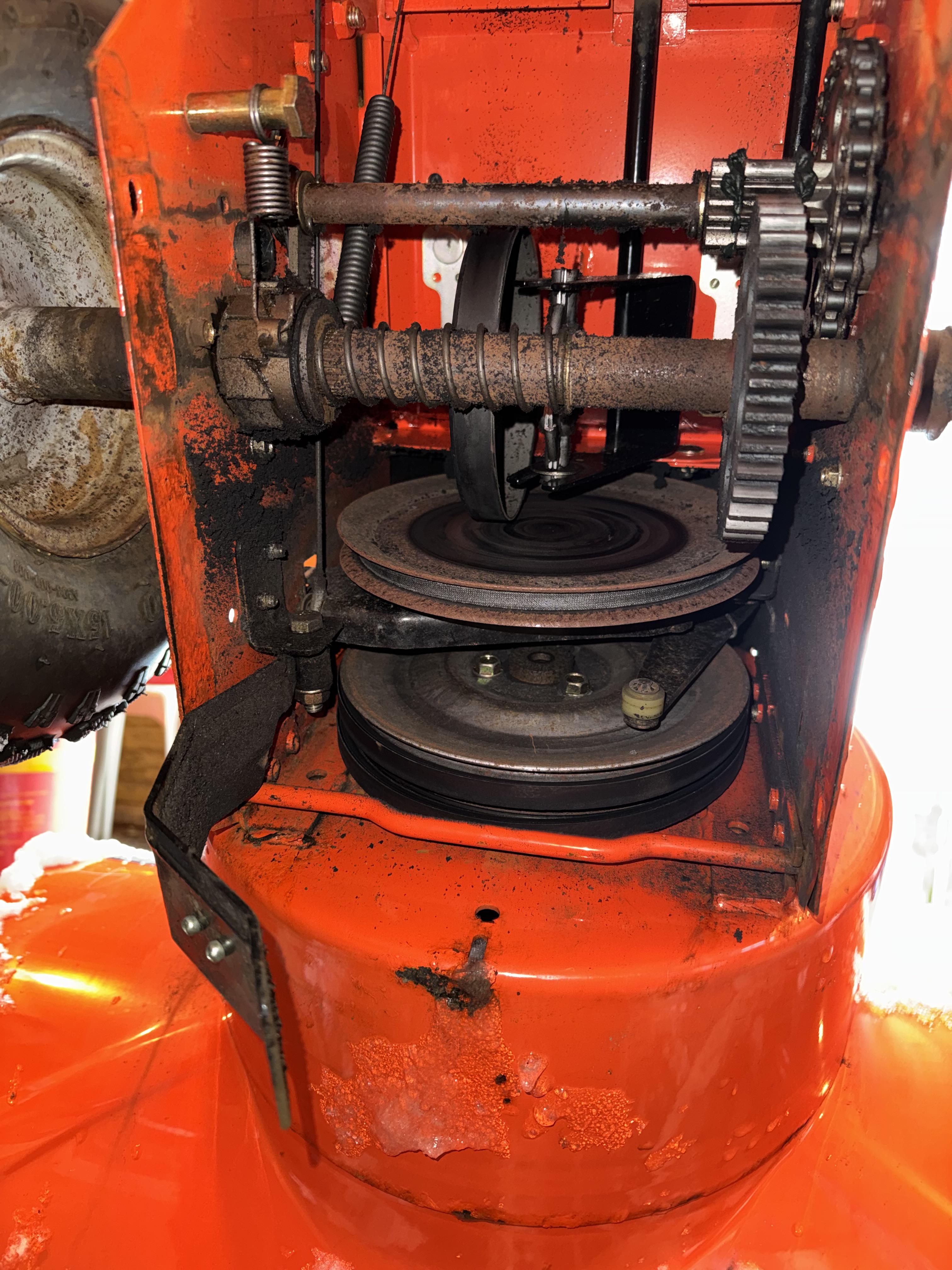
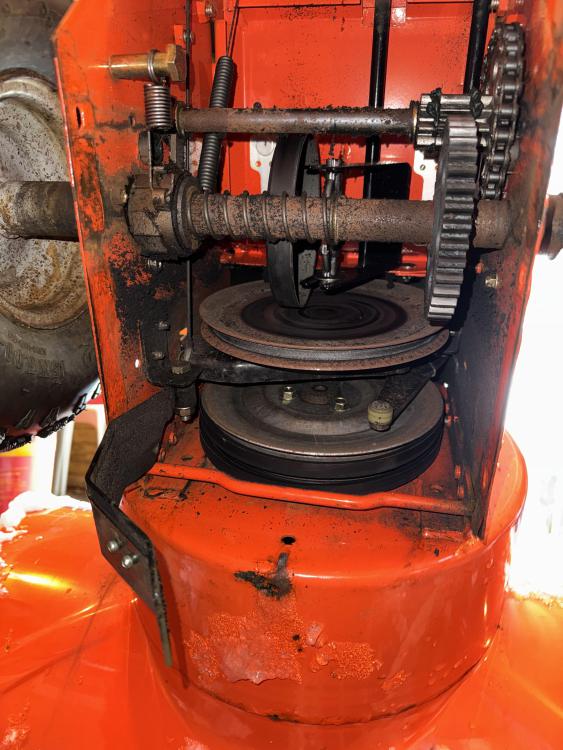
This storm wore out my Ariens, it’s 13 years old and the friction disc is a wear item so I guess it was due 🥲 At least I made it through this one, I’ll just have to shovel things out until the new parts arrive. But now I think I might go buy another so I can have a backup lol
 1 point
 -
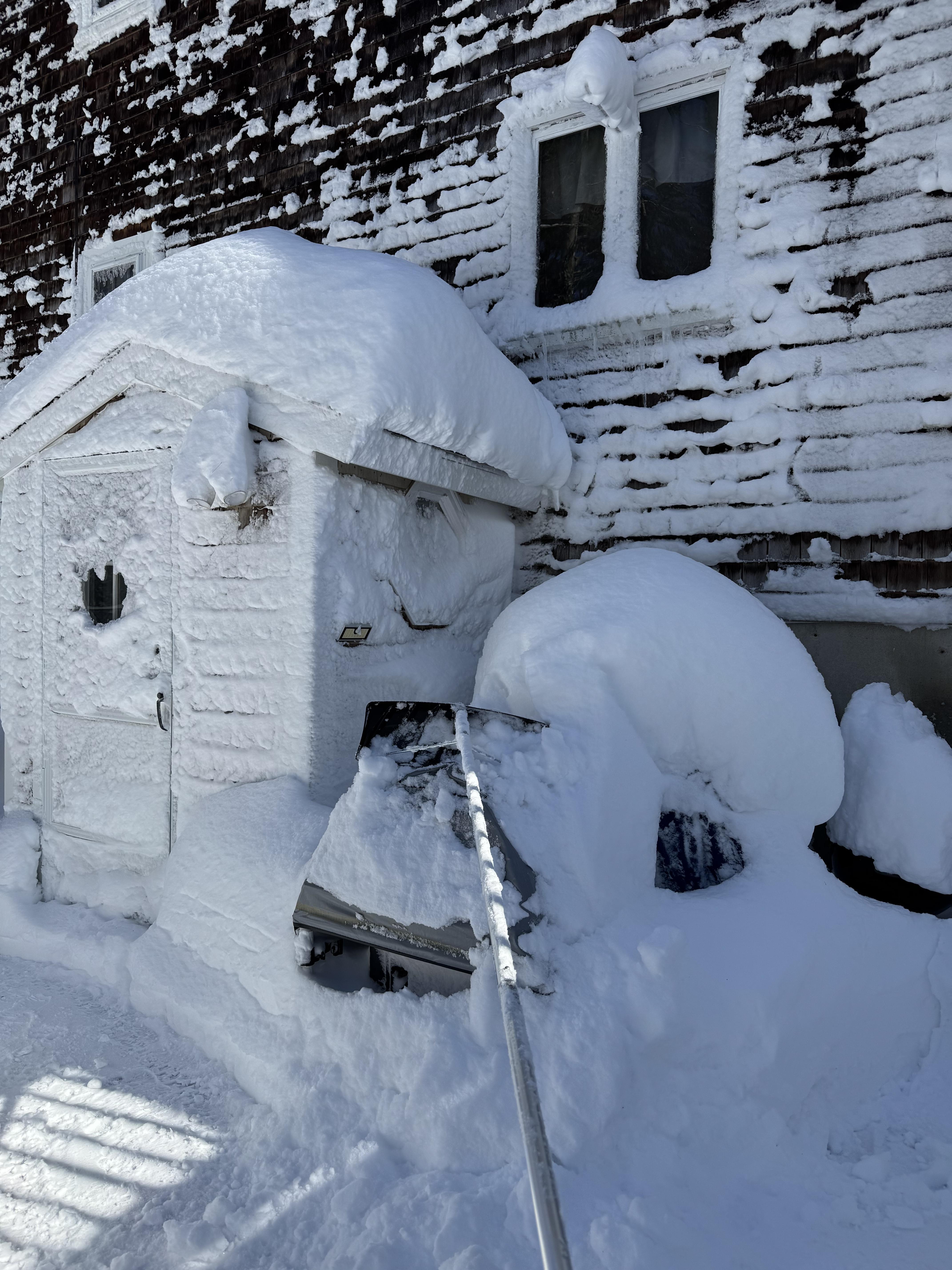
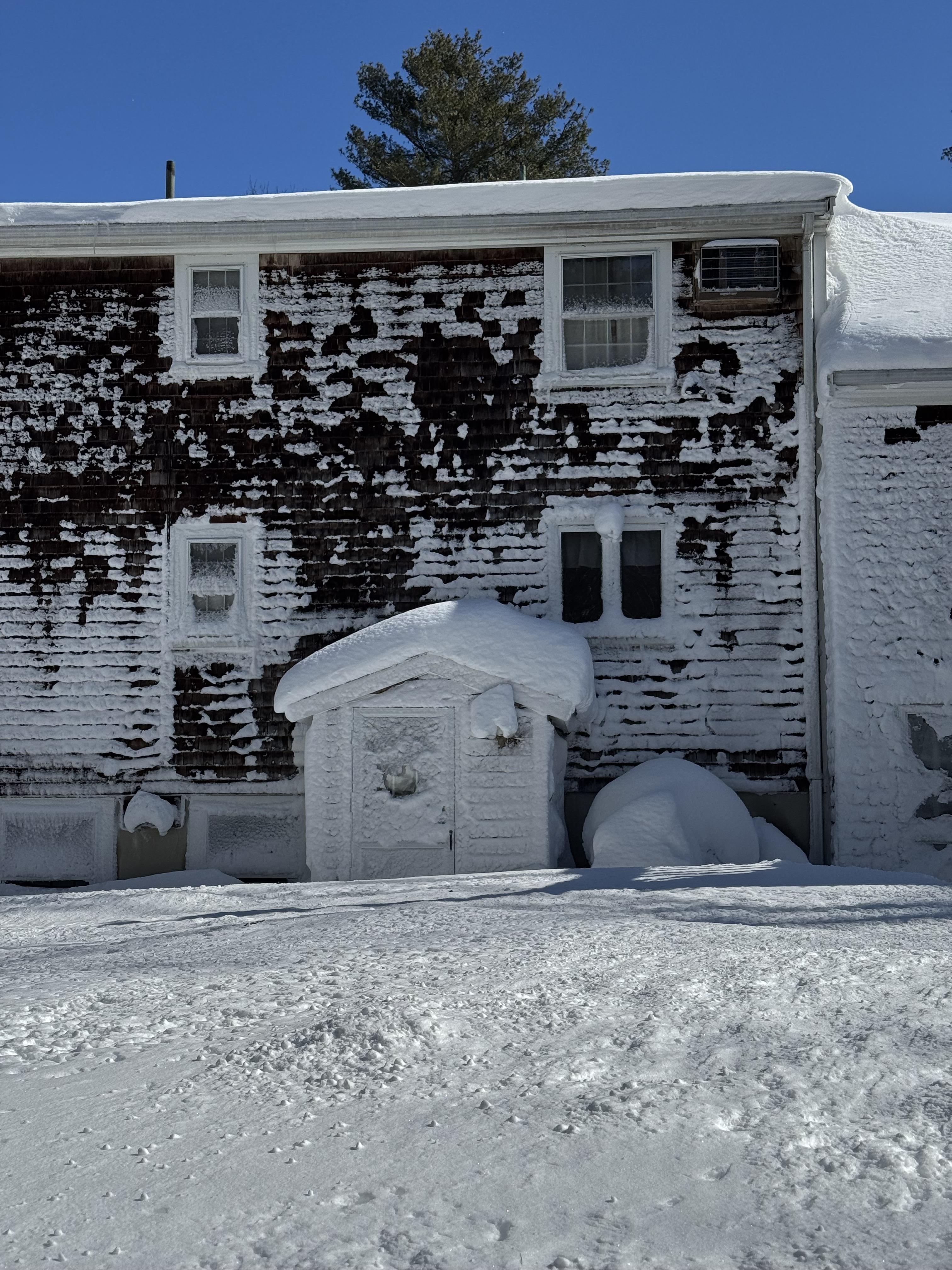
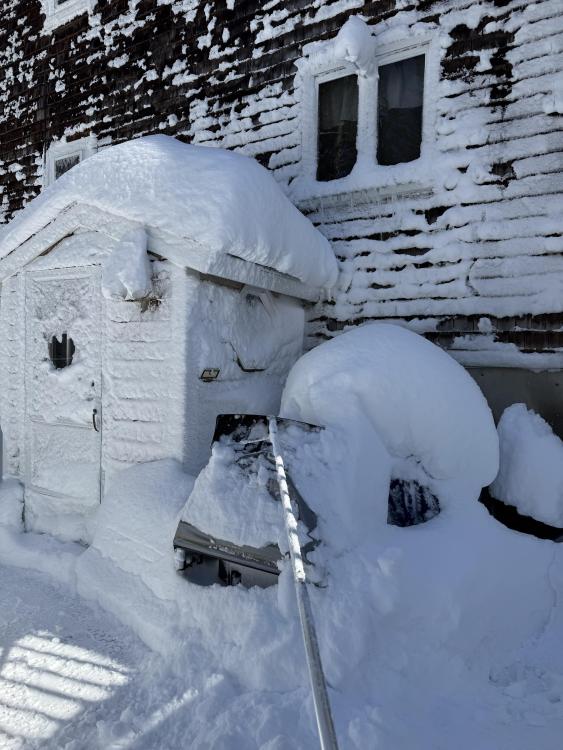
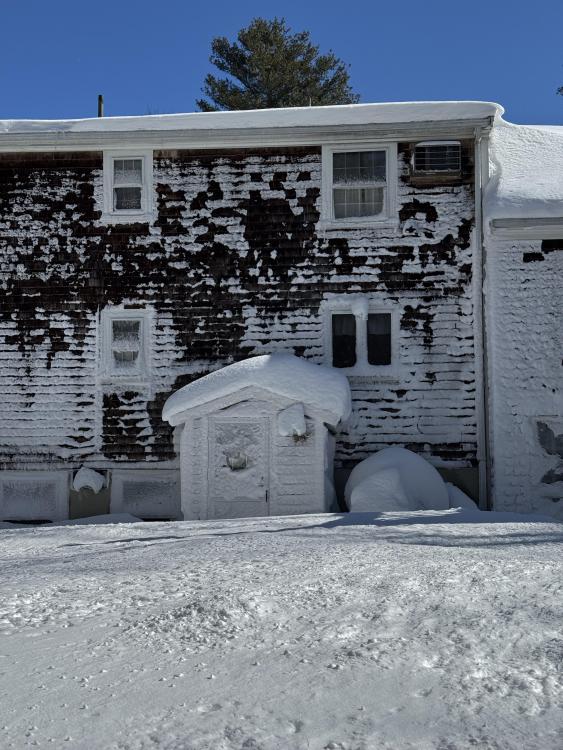
Max likes it but I fail to see the humor in it 😡 I’ll dig the 32 out in a few days

 1 point
 -
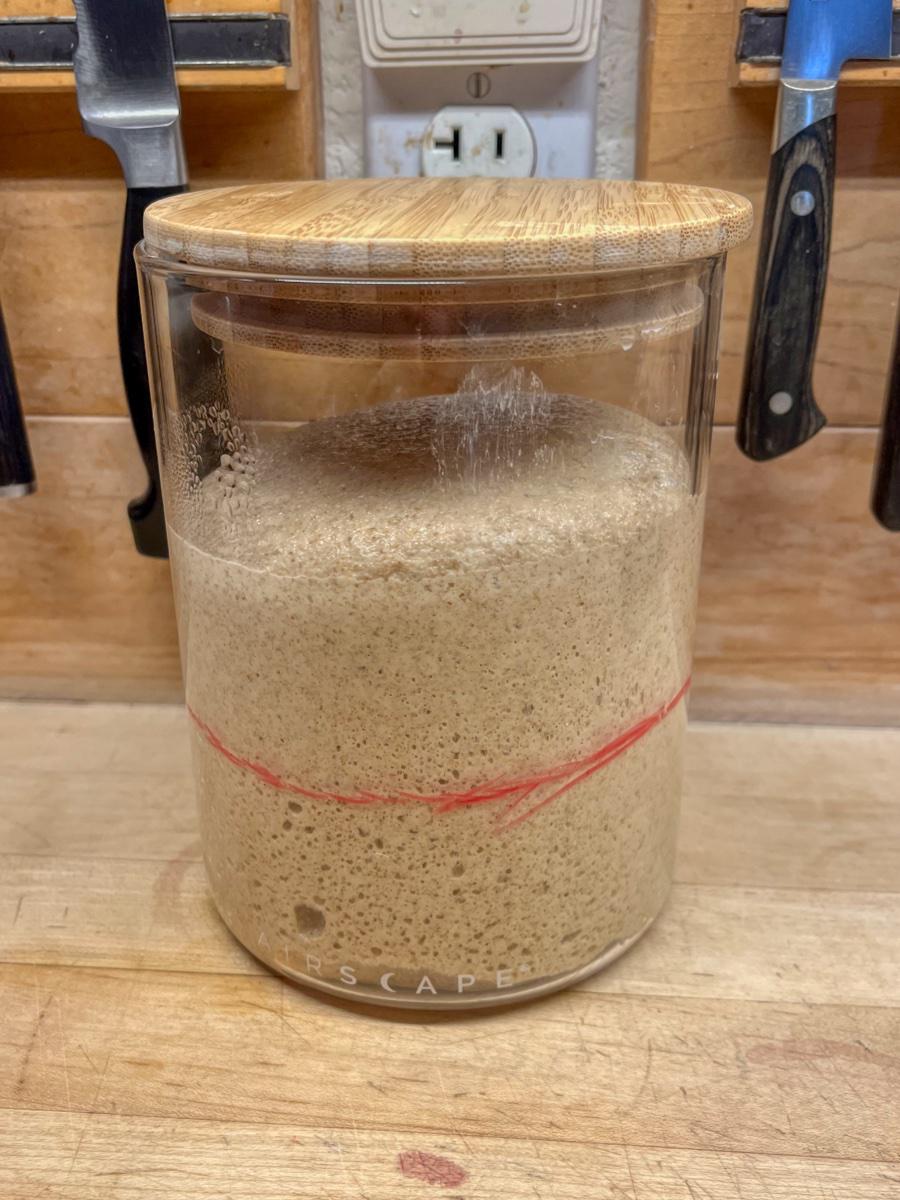
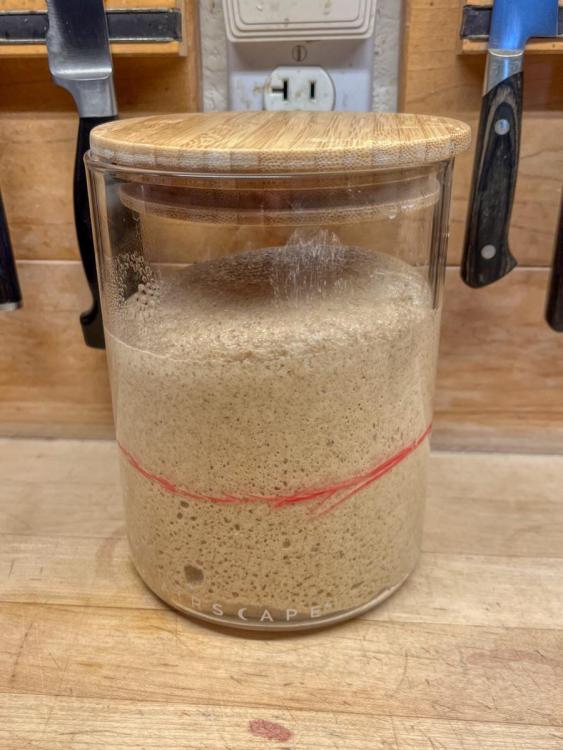
For nearly every purpose our flour is freshly ground using a KoMo Grain Mill then sieved through a #20, #25, or #35 Gilson Test Sieve (12" sieves fit nicely into an 8 quart Vollrath mixing bowl (69080)). This is a home approximation to traditional stone-ground flour, which bears little resemblance to roller-milled white flour that isolates the endosperm. The nutritional value of wheat is mostly in the highly perishable germ, and the bran; "white" flour is a modern invention that is shelf-stable for years. White flour is spectacularly successful as an "artist's medium" for how responsive it is to varied baking techniques, but at health costs. Just as I can't watch athletes harm themselves in boxing or American football, I can't watch white flour baking. While many people who don't have celiac disease conclude that they can't tolerate gluten, a competing view is that they can't tolerate overly processed grain products. (One should let experiment not culture decide this.) And everyone is vulnerable to diabetes if they live long enough; the starch in white flour is too accessible; constantly stressing our insulin systems. Should one address this in one's twenties, or wait for rising A1C numbers in one's seventies? The medical evidence isn't clear, but the larger picture implicates overly processed foods in general as one reason that health in the United States lags behind its first world peers. My bread has evolved to use exclusively freshly ground flour and sourdough leavening, a "desem" style spread out over several days of cold ferments, for example using the Sourdough Home for an overnight bulk ferment at 50 F, and finishing proofing the shaped loaf in the fridge. Drawing out the sourdough process has both health and flavor benefits, and makes scheduling bread making easier: There's far more leeway in the timing of cold ferments; get in a step when you can. Bread from freshly milled flour is notorious for going sploof into a flat pancake when baked. Many bakers have worked around this without understanding the mechanism, but it's challenging. Bread spreads more as either the hydration or the rye content climbs, and spreads less if baked from a cold proof. I learned from Advanced Bread and Pastry, a professional tome by Michel Suas, about "green" flour: Flour needs to age several weeks to facilitate the quality of gluten development we expect. I don't want to age my flour. It's inconvenient, the germ goes rancid, the flour oxidizes. I now use 60ppm ascorbic acid, as recommended by Suas, as an additive to correct the difficulties posed by "green" flour. I mix ascorbic acid 1:20 with white flour (one of my few uses), and mix that 1:20 with white flour to obtain a 1:440 blend I can actually weigh and include in my dough. I found that it made a dramatic difference. I've stopped using the other additives mentioned above. I have been experimenting with small amounts of organic psyllium flakes, which gels to stiffen the loaf when chilled before baking, but doesn't adversely affect the crumb when used in moderation. Psyllium has a pretty wild effect on hydration, so I'm learning how to again throw strikes.
 1 point