Leaderboard



Popular Content
Showing content with the highest reputation on 12/01/2025 in Posts
-
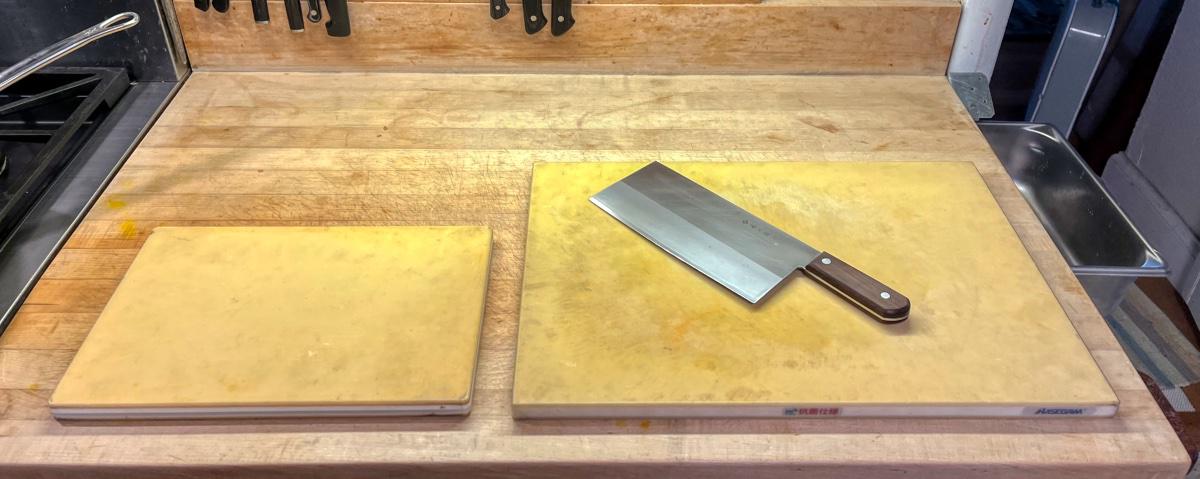
Hasegawa FSR (wood core) + Very soft cushy cutting surface Keeps blade sharp much longer - Expensive. Discolours easily especially chopping parsley. Not for hacking or bone chopping. Microplastics galore! Gouges and cut marks cannot be removed with their branded sandpaper block. Asahi Black Rubber Board (home use line with hole punched on the corner) + Thin, lightweight. Comes in handy small sizes. Soft, cushy surface. Not as soft as Hasegawa FSR. Cheaper than FSR but you get less board. Keeps blade sharp longer No discolouration (it's black) - Expensive. Appears to shed less plastic. Gouges and cut marks cannot be sanded. At the end, you still need a heavy wood block board for chopping bones and such. If you don't mind microplastics, either one is fine. Asahi thin board is my favourite for quick small jobs. Serrated knives will destroy these plastic boards but i use bread knives on them anyway...2 points
-
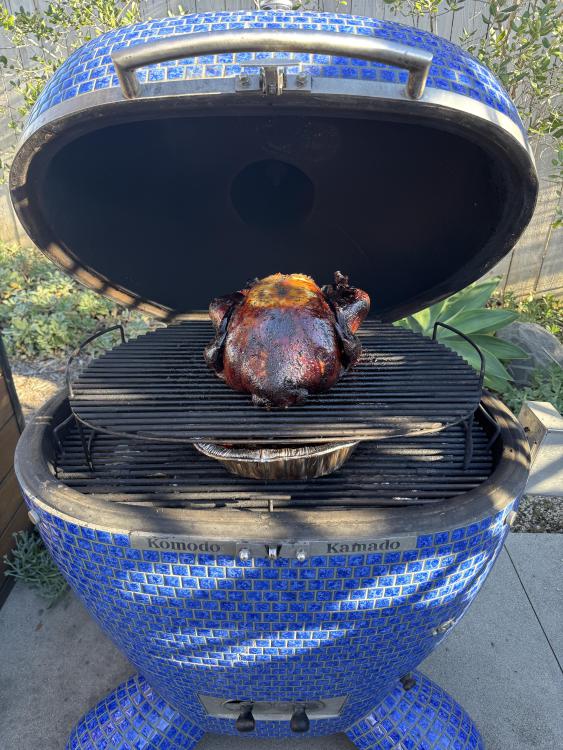
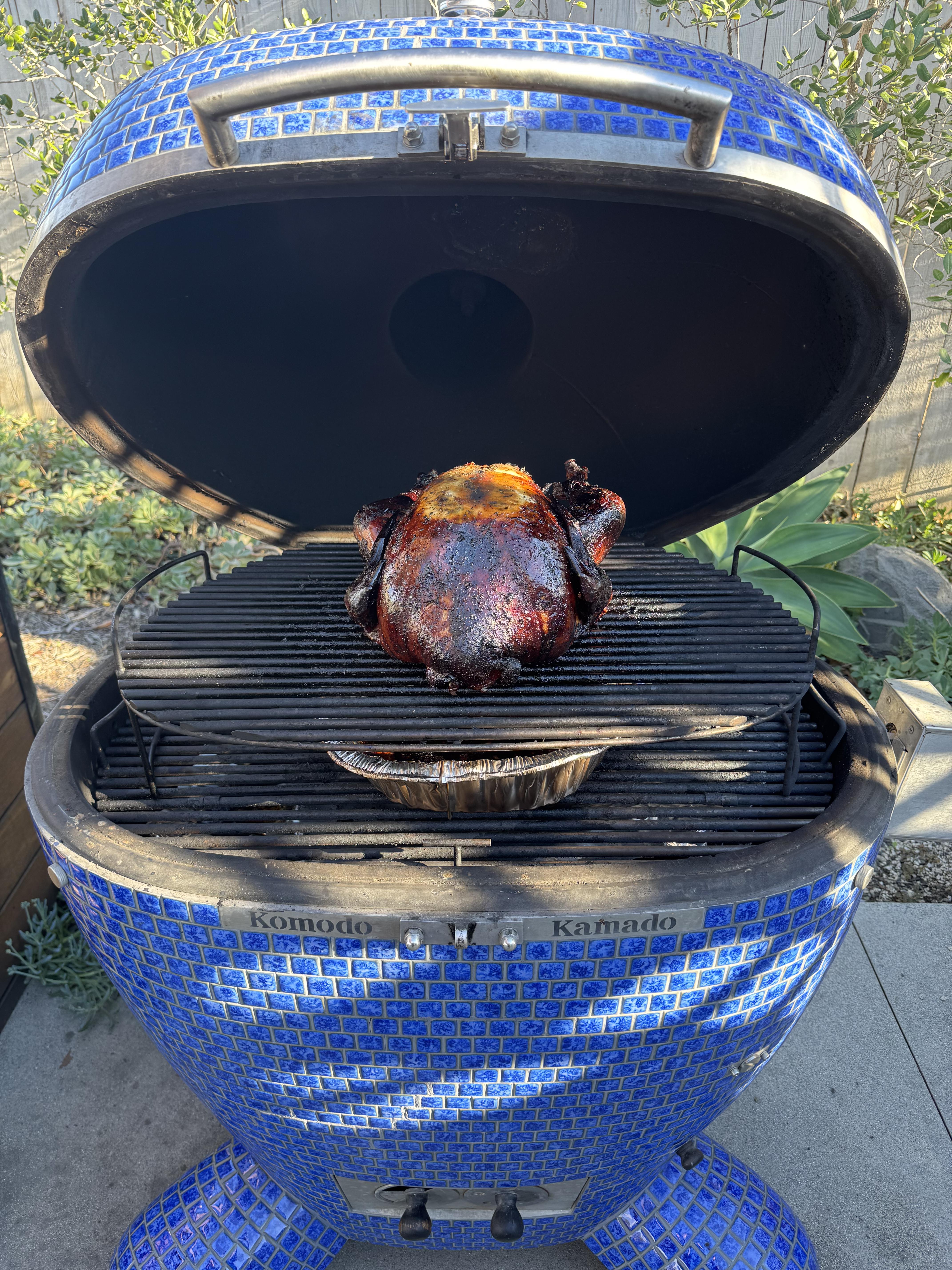
Only photo from Thursday
 2 points
 -
Hi all, I don’t post often. However enjoy following other members posts. A couple of weeks ago I was Banned for no apparent reason that I was aware of. I reached out to Dennis explaining the situation, everything was restored immediately. Again a thank you to Dennis for his quick response. Regards Seasport1 point
-
Geez Seaport, you got sucked up into the vacum. The culprit often tagged the logo and there you go...you may have been an inadvertent target. So sorry, I'll have Toney and C6Bill say 5 Our Fathers, and 10 Hail Mary's. Next time the ruler. Happy posting1 point
-
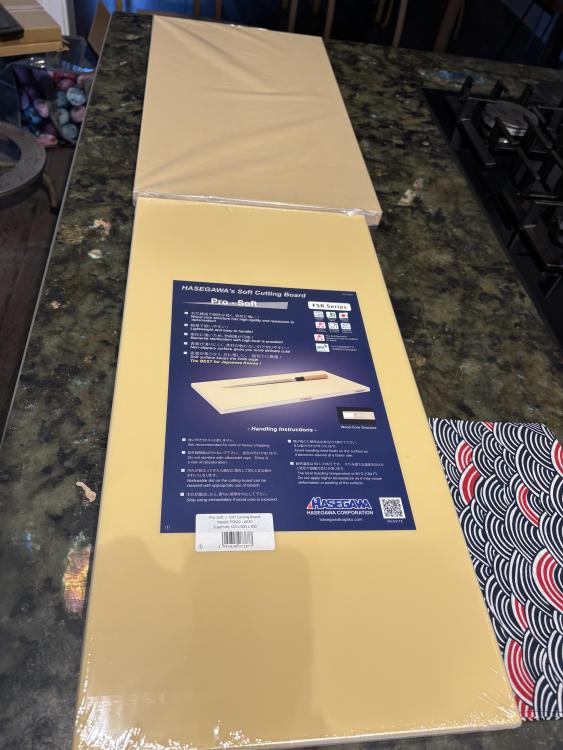
Let the fun begin!
 1 point
 -
I saw an ad for a titanium cutting board. I agree with them that it's probably very sanitary but I don't relish the thought of needing to sharpen my knives after every use1 point
-
We've been getting a lot of SPAM messages lately. You might have just been caught up in scrubbing those bogus accounts. Sorry.1 point
-
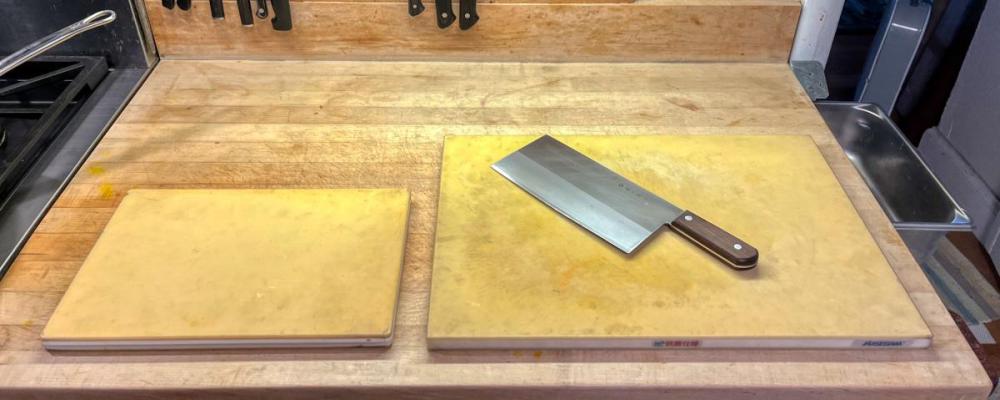
The Hasegawa and Asahi cutting boards will have cutting surfaces superior to any other I have used. Both for protecting the knives and actually cutting food more effectively. Bamboo is hard on cutting edges; it's penalty work for my woodworking neighbor. Various synthetic boards chip on me; they aren't expecting my sharp knives. And a company that flogs pure titanium pans on Facebook also sells titanium cutting boards, which tipped me off that they have no idea what they're doing. Sure, titanium is softer than steel, but that's far from the whole picture. I'm loving my Hestan Titanium Chef's Pan which is actually a molecular titanium surface deposited on steel that is 4x stronger than steel, and slick, leaning in the "ceramic nonstick" direction but more durable. But pure titanium is a terrible idea for a pan. Luckily, my knowledge of cutting boards saved me from a mistake. The Japanese, of course, are expecting sharp knives. I have long had a raw butcher block work surface in each kitchen, with an overhang to mount tools. I wash the surface by scraping with a bench knife into an (empty) steam table insert that also collects compost as I work. Since getting Japanese cutting boards, I only use the bare wood some of the time, like for prepping winter squash. I am delinquent in bleaching my Japanese boards again, which does work. I lay down paper towels on the board surface in a utility sink, pour over a bleach mixture just strong enough to turn the paper towels back to pulp. But I'm not expecting Michelin inspectors any time soon (their loss!) and the stains don't bother me. Still, black? Clever. 600cm, wow. Cutting the Hasagawa boards (which you don't plan to do) would expose the wood core. Artists know this one: Cut both ends, make it look deliberate. 😀
 1 point
 -
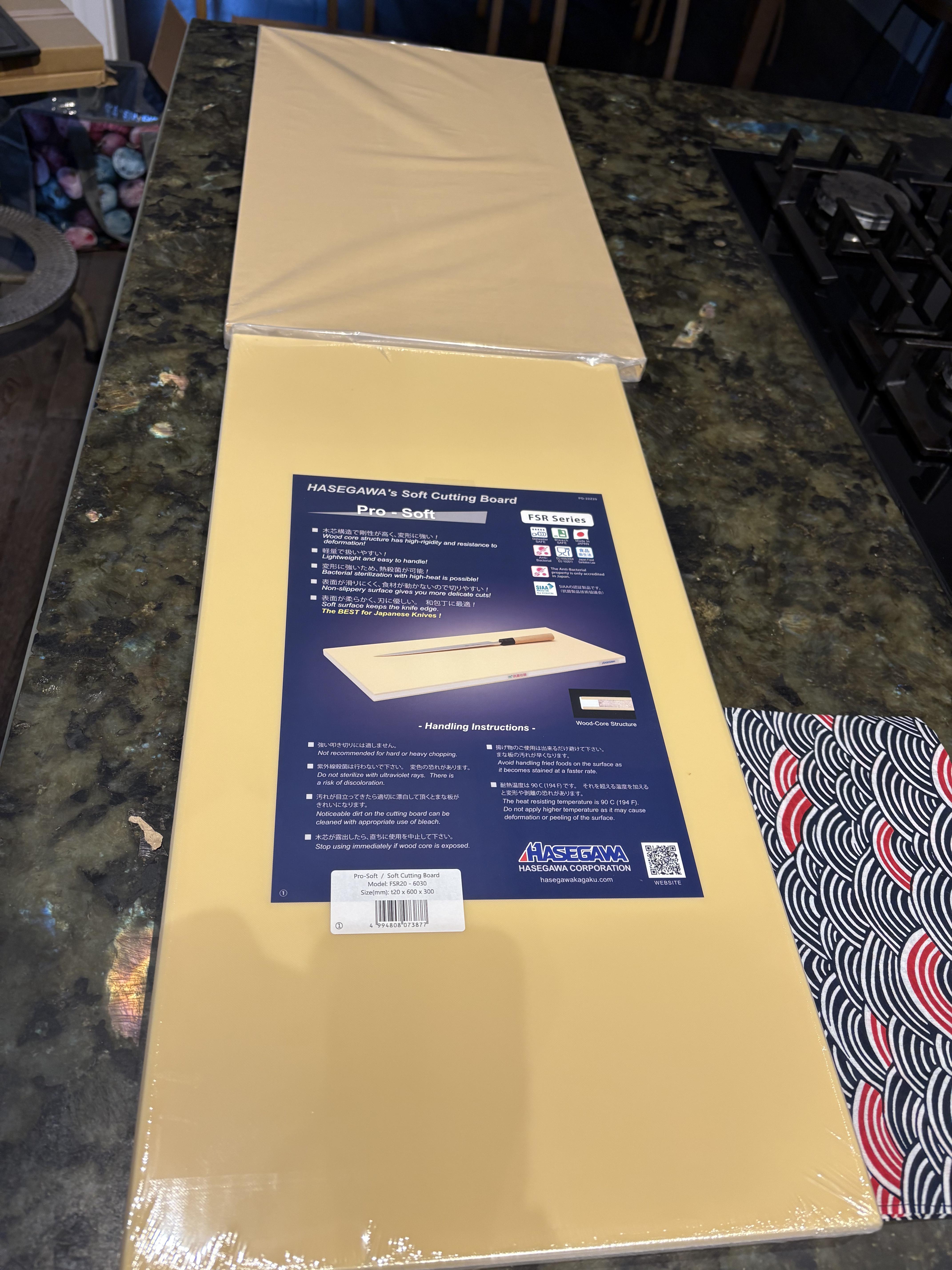
Thanks @5698k. I remembered your obsession with knives and was hoping to get a response from you. I am particularly taken with you saying that you are able to hold an edge on your knives for up to a year as a result of using better boards. Thanks for this input re the Hasegawa board @Syzygies. It looks like it is lighter than the others as well. Before I started this post about boards I searched the site to see what else had been said on the topic and found a post from you that I would summarise as "go big or go home" i.e. get the biggest cutting surface that you can to help you work efficiently. As for you @C6Bill? Your input helped me remember that there are perfectly acceptable, cheaper ways to tackle this problem. That said, I was already half way down the rabbit hole when I posted and your message didn't succeed in hauling me out. I have ended up ordering one plain Asahi board at 600cm x 33cm x 2cm, two black Asahi boards at 600cm x 30cm x 2cm and one composite Hasegawa board at 600cm x 30cm x 2cm. We will try them out and see what we think. I see us reserving the Hasegawa board for sushi and fish filleting. I particularly liked the advertised heat resistance of the Asahi boards. The Apex boards I was previously looking at should only be washed at relatively low temperatures and have to be stored flat to avoid warping - not a great idea when enthusiastic friends or house guests might get hold of them and "help" without realising the damage they might do. There is a chance that we might cut at least one of the black Asahi boards down to get more manageable sizes for quick use. That might be unnecessary and we might end up buying a few small, cheap boards for things like cutting lemons for drinks or other quick tasks. Plan is to ditch our very old and scratched Epicurean boards and to select which of our wooden boards to keep. The only remaining wrinkle is making sure we have enough boards with a channel that allow juice from resting meat to gather. That'll be likely in the wooden board category. Thanks for all your help. I will report back when we have had a chance to try them all out. P.S. I just looked at my avatar and realised it is of Sinbad, our beloved cat, who died just a couple of weeks ago. He had the best death of any of our cats to date. Having just celebrated his 14th birthday he was still running around like a kitten until one day, he just went out to do his usual patrol of the garden and my husband later found him dead on the ground. The vet thinks he had some kind of a heart attack. Rest in peace S. He will stay here as my avatar.1 point


.thumb.GIF.006d23b9323146d2dd9055f4e195bc2a.GIF)